What is it like to live in Myanmar as an expat? Is it safe? How does it work with a work visa? In this article, Steve Rohan will share everything about his experience of living & working in Myanmar as an expat.
*All pictures in this article are from Steve Rohan, unless indicated differently
About Steve: Steve Rohan is a writer and English teacher from the UK. He has lived in China, Hong Kong, Armenia, Cambodia and now resides in Yangon, Myanmar. He has been interviewed numerous times by the BBC, featured on the Tubi television documentary Scariest Places in the World and created the successful travel blog thetripgoeson.
After three years spent living the life of a digital nomad (with time spent in Croatia, Macedonia, Greece, Turkey, Iraq, Georgia and Armenia), I decided to head back to Asia for warmer climes.
I moved to Cambodia in November 2024, but didn’t gel with the place and found Phnom Penh to be too chaotic for my liking. I found a teaching position advertised in Myanmar, and given my penchant for places less travelled, thought it would make for an interesting challenge.
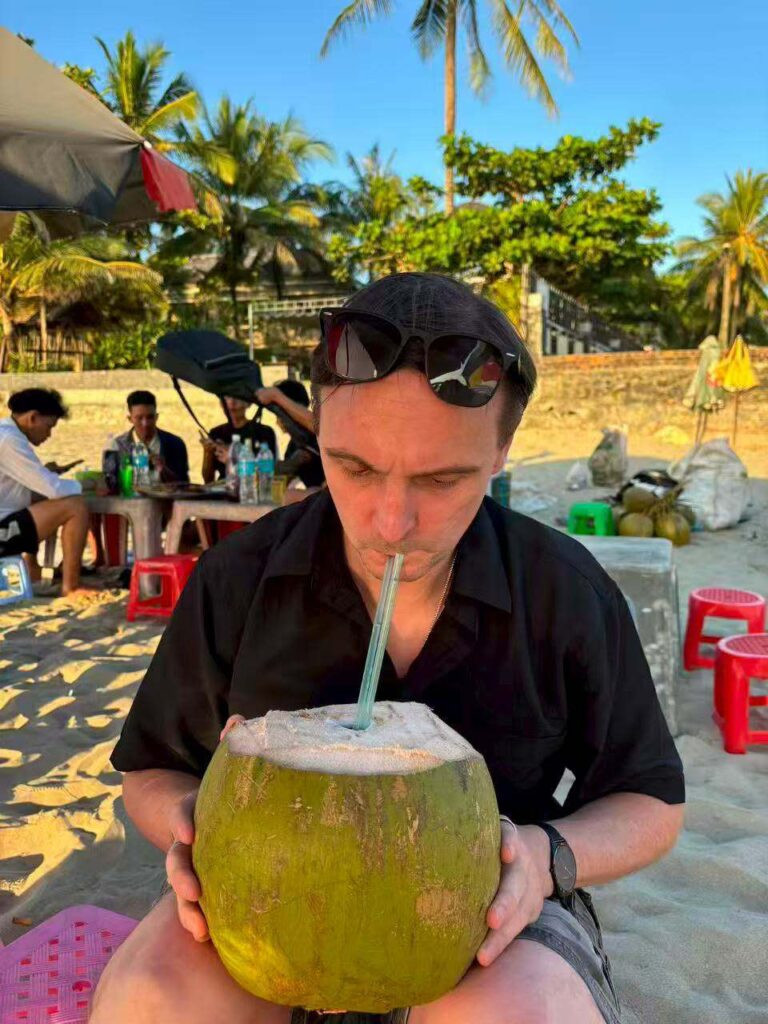
Enjoying a fresh coconut on the beach at Ngwe Saung
General info about Myanmar
Myanmar is a country in Southeast Asia bordering India to the north, China and Thailand to the east, and the Bay of Bengal and Bangladesh to the west.
This former British colony has been independent since 1948, but has suffered many years of civil war and some pretty catastrophic natural disasters, the latest being a huge earthquake in early 2025 that registered 7.7 on the Richter scale (just before I moved here).
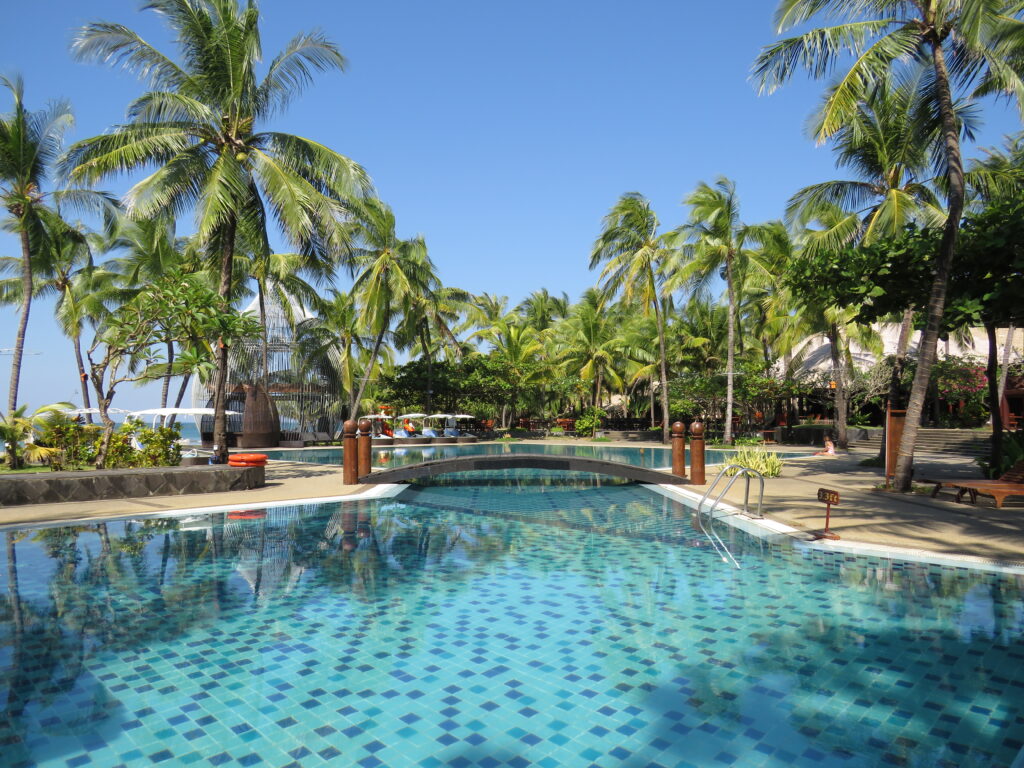
Auerium Palace Pool in Ngwe Saung
Snkae Island Ngwe Saung
The country is currently run by a military junta who overthrew the elected government in 2021, and for the past four years civil war has been raging across the country. As such, living in Myanmar creates a set of unique challenges, but it is not all gloom and doom as this hidden gem has lots to offer the intrepid explorer.
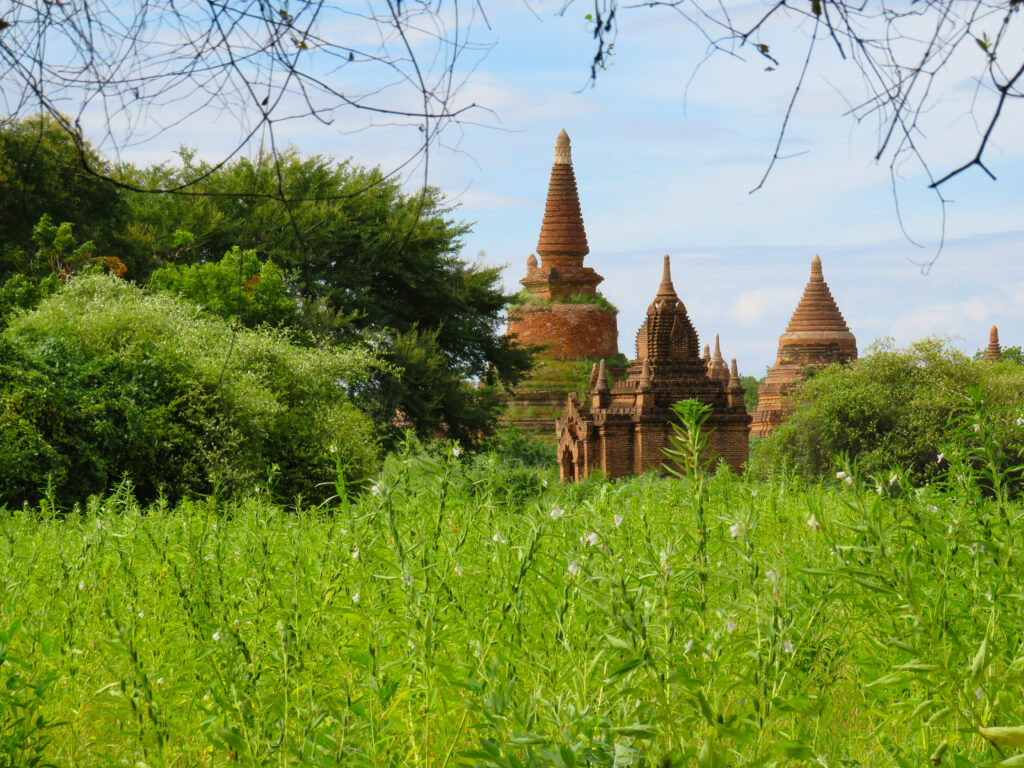
The former capital, and largest city, Yangon, is safe from the fighting, and there are plenty of incredible sites around the country that are still possible to visit (more on that below). The ancient city of Bagan (Pagan), known for its thousands of temples dotted across Myanmar’s central plains, is one of the most impressive sites in the world, and arguably more impressive than Cambodia’s Angkor Wat (and what’s more, you’ll likely have the entire place to yourself – as I did on my two visits).
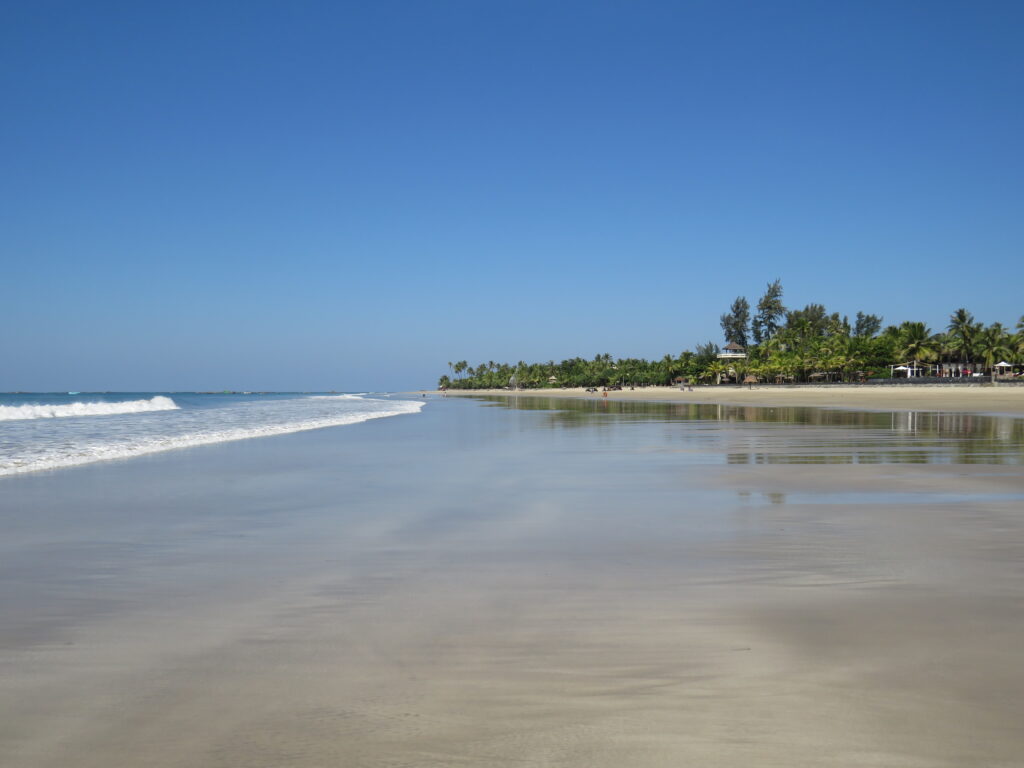
Inle Lake is another incredible destination where fishermen still work using traditional methods and live as they have done for thousands of years. Myanmar also has a beautiful coastline and destinations like Chaung Tha and Ngwe Saung are easy to reach from Yangon in a few hours (I’ve just returned from an incredible week in Ngwe Saung swimming, snorkelling, diving and generally relaxing on the beach sipping fresh coconuts and the odd cocktail or seven).
Most travellers require a visa to visit Myanmar (citizens from some nearby SE Asian countries such as Vietnam, Laos and Thailand can enter visa-free for 30 days). The online e-visa is pretty straightforward and usually takes around two or three days to be processed. You can apply on the official government website.
Sim cards for Myanmar
You can buy an MPT sim card at the airport or convenience stores across the country (Citi Express being where i usually top up). 5,000 Kyats ($1.25) will get you about 5 to 10gb of data depending on current deals and lasts for 10 days. You can then buy vouchers to top up as needed.
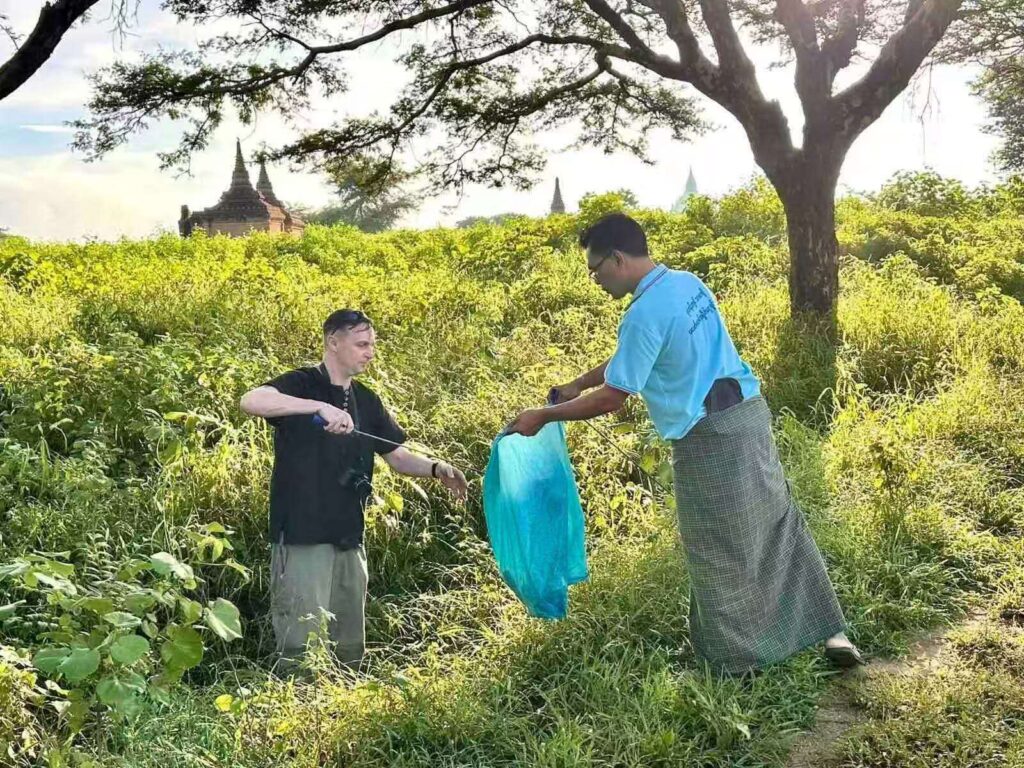
Bagan Litter Picking
VPNs in Myanmar
Most social media is banned in Myanmar, so if you want to stay connected, you’ll need to download a VPN. However, as this is illegal, I will not personally recommend doing so.
It’s different to China, where they just turn a blind eye and accept that access to the outside world is needed by most foreigners and businesses. It’s unlikely that the junta would throw tourists in jail for using a VPN, but they do stop and search local’s phones and some have been imprisoned, so the risk is real.
Money can be a bit confusing at first as there are essentially 3 rates in operation. The government (junta), fixed rate is 2,100 Kyats to the dollar, the bank rate is around 3,600, and the black market rate is around 4,000 kyats to the dollar.
Needless to say, you’ll want to use the black market rate and there are plenty of places around the city where you can exchange it semi-officially such as Spirits on Bargaya Road. I’d advance against changing money with people on the street or at Bogyoke Market as the risk of being ripped off is higher.
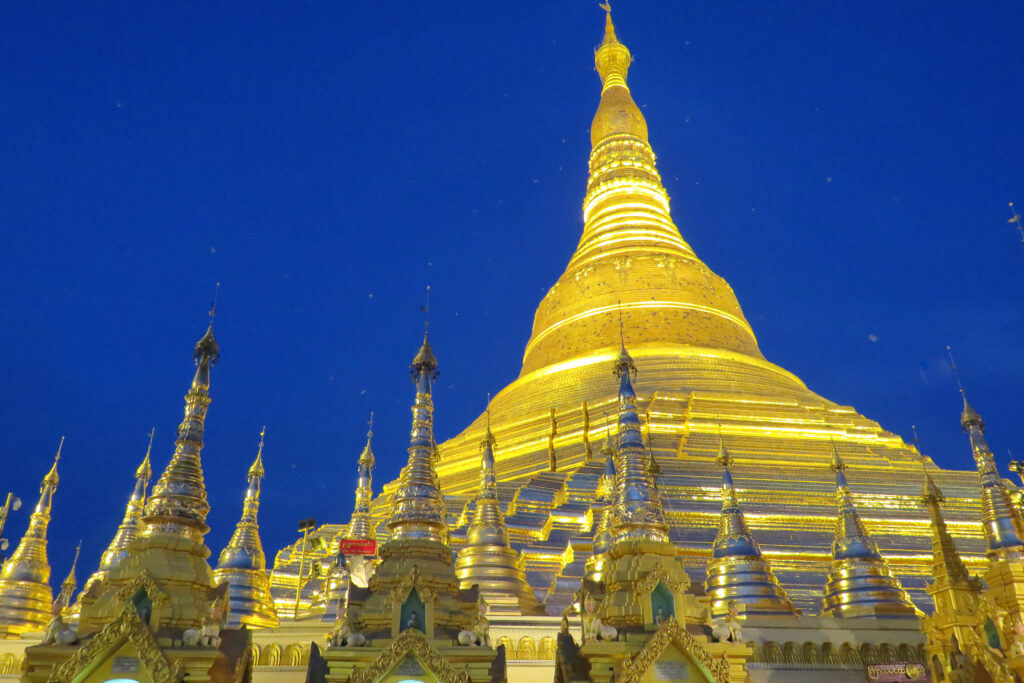
Gold Dome and Buddhist Temple
Cost of living in Myanmar
Given the average salary for locals is less than $200 per month (in many cases under $100) it’s possible to live cheaply, but there are definitely caveats. While Most Burmese live with family, if you need to rent an apartment this comes at a considerable price.
A decent place in one of the new(ish) condos costs between $500 and $800 per month. But the kicker is, you need to pay at least 6 months rent in advance, plus the deposit, and a month’s rent to the agent (so realistically you’re looking at laying out at least $4,000 right off the bat).
There are ways to navigate this though. My first school in Yangon provided housing, which was obviously very useful and saved me a considerable amount of money. However, I recently changed schools and no accommodation is provided, so I now pay $500 per month in rent (though I do have a beautiful apartment where I can see kingfishers and bee-eaters in the trees outside the window).
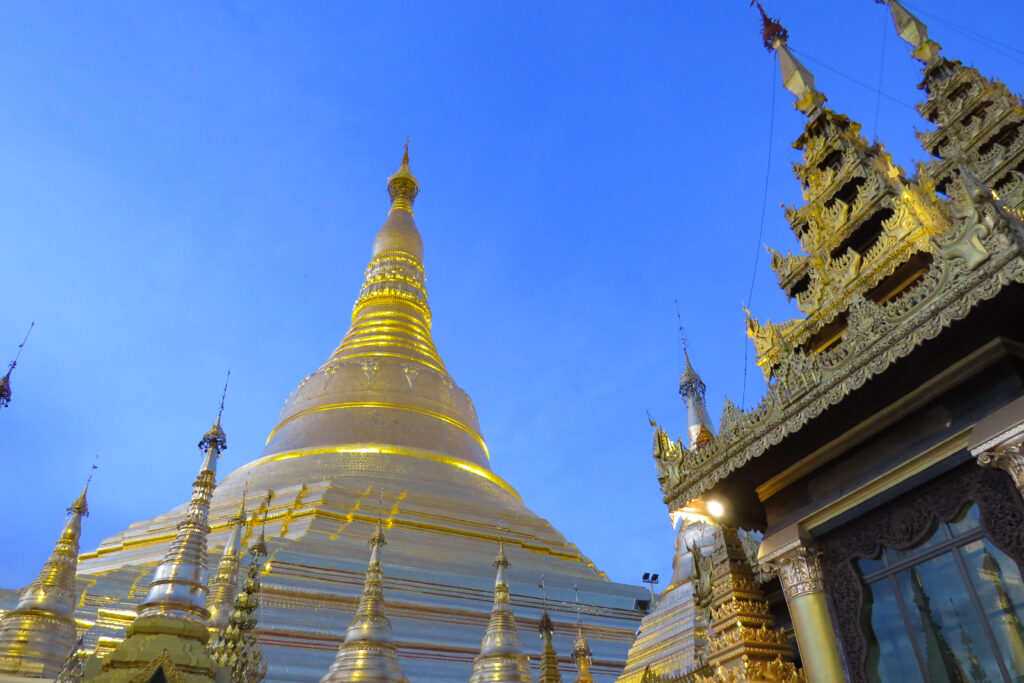
Deep Blue Skies over Shwedagon Pagoda
We Love Myanmar Sign in Yangon
Thankfully, my new school offered me an interest-free loan to cover the initial outlay, so my rent is paid for the next six months and I’ll have it deducted from my salary. I believe many international employers also offer this as a benefit.
If you want to eat out at western-style restaurants a meal for one costs $10 to $15, which is not especially cheap for SE Asia. Due to heavy restrictions on imports and international sanctions, there are not a lot of imported products compared to Thailand or Cambodia and the quality of fresh foods in the supermarkets leaves a lot to be desired.
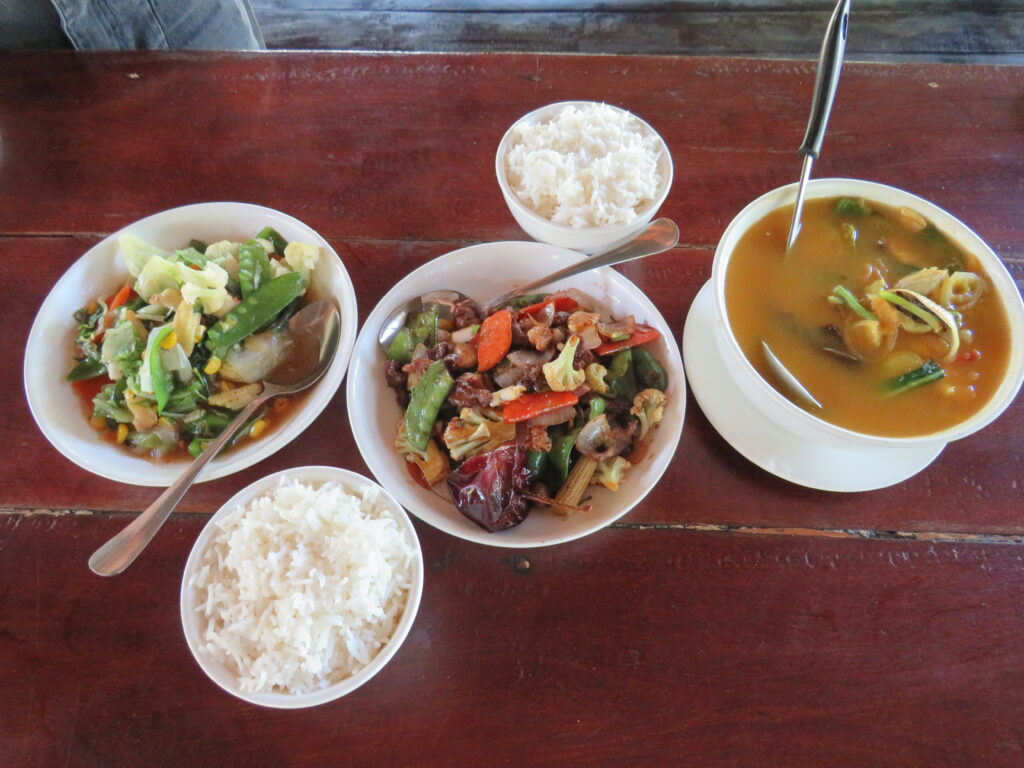
Thankfully I’m not much of a “foodie” so it doesn’t impact me too much. You can also eat at local places very cheaply and enjoy dishes such as Myanmar-favourite Shan noodles for less than a dollar.
Aureum Palace Resort, Ngwe Saung
Getting to Myanmar
Due to the ongoing conflicts all land borders are closed to foreigners, so the only way in and out is by flight. Flights from neighbouring Thailand are cheap and plentiful, with Air Asia and Myanmar’s national carrier, MAI offering daily flights fromg Bangkok which cost around $50 for the 60-minute flight.
Getting around in Myanmar
Buses to major tourist destinations like Bagan, Ngwe Saung, Mandalay etc are cheap and plentiful. You can’t buy tickets online without local banking apps, so you’ll need to go to the ticket office and buy in person (Shwe Mandalar opposite Yangon Railway Station is a good option for the Bagan bus and I’ve done the trip twice now). Yangon to Myanmar is around 12 hours and there are both daytime and overnight buses. Cost is around 50,000 Kyats ($12) one-way.
My tip: Download the Grab app for getting around the major cities. It’s safe, cheap and easy to use (it will be useful across the whole of SE Asia if you are travelling the region).
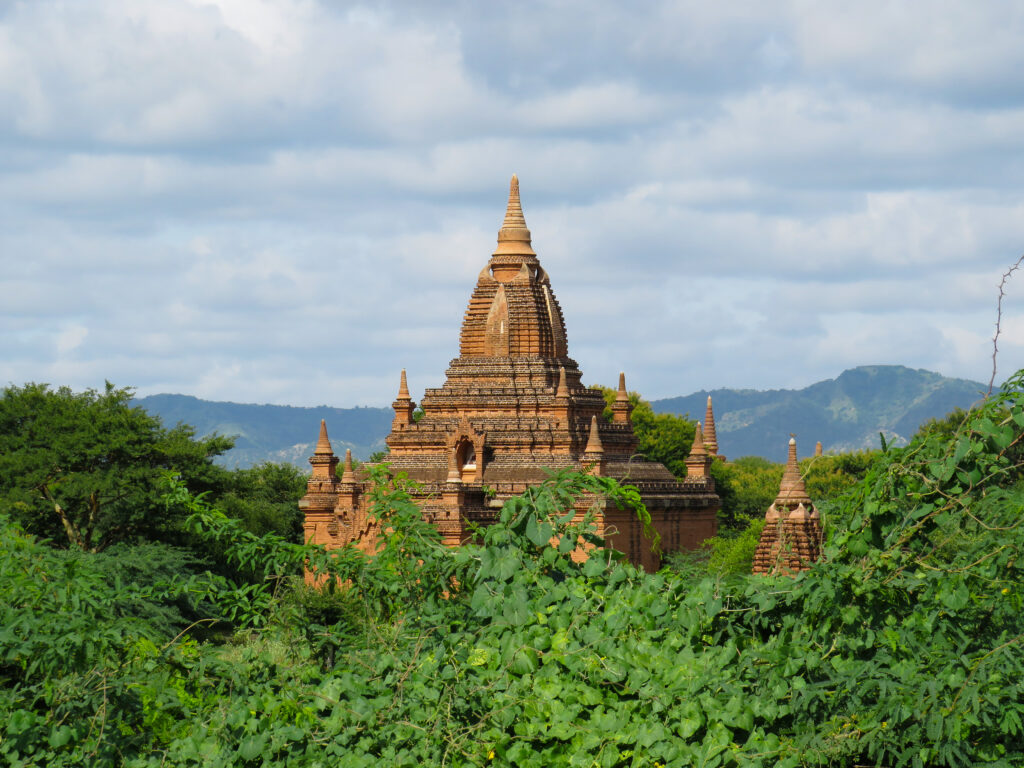
Ancient red-brick Buddhist Temples behind long grass in Bagan
Myanmar weather
Myanmar has a tropical climate with a monsoon season lasting from May to November, so it’s definitely best to plan your trip in the dry months from December to April. That being said, Bagan sits on Myanmar’s dry plain and avoids the worst of the rain, so it’s still possible to visit during the monsoon, though the rest of the country remains pretty drenched.
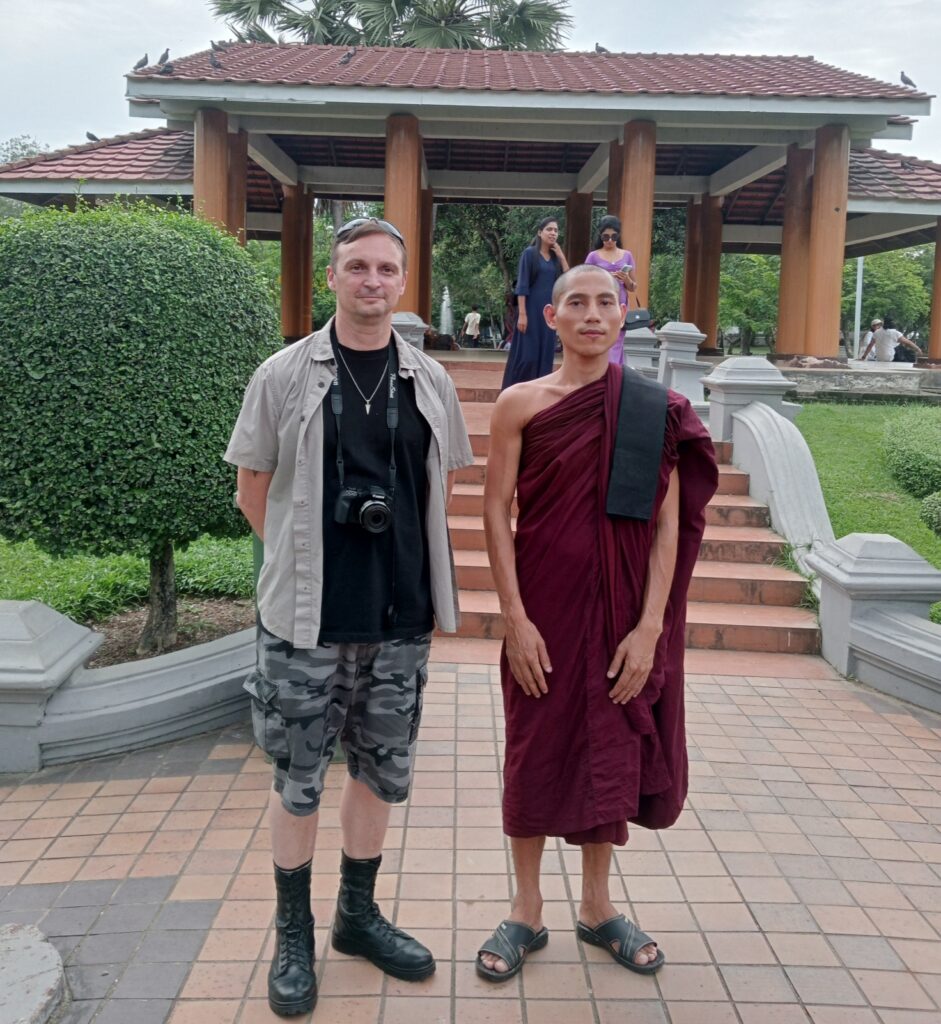
Steve & a monk
Safety and Security in Myanmar
Due to the ongoing conflict, poverty is unfortunately rife, and this can create certain issues. Petty crime like pickpocketing can happen in busy areas and on public transport, but in the seven months I have lived here, I have had no problems, and the most you usually see is beggars waiting at intersections and traffic lights.
Military checkpoints are common, and you need to have the right permits to travel (usually just your passport and visa). It’s always best to check with transport companies and your accommodation ahead of time that foreigners are allowed, as some routes and destinations are off=limits to foreigners or non-locals. It’s important to never have your phone out (or any other electrical device) when passing checkpoints either on foot or in a vehicle (buses included).
It’s important to check your government’s latest travel advisories (but take them with a pinch of salt as some tend to be more alarmist than they need to be). Also keep up to date with international news, and if possible, with locals on the ground in Myanmar as the situation is constantly changing.
Finding work in Myanmar
Most foreigners in Myanmar are teachers, and there are plenty of international schools in Yangon and Mandalay that are always looking for native speakers. You can expect a salary of around $2,000 per month depending on your experience and qualifications. You can also check websites such as Dave’s ESL Cafe where I found my first job here.
Top destinations in Myanmar that are safe to visit in 2026
Yangon
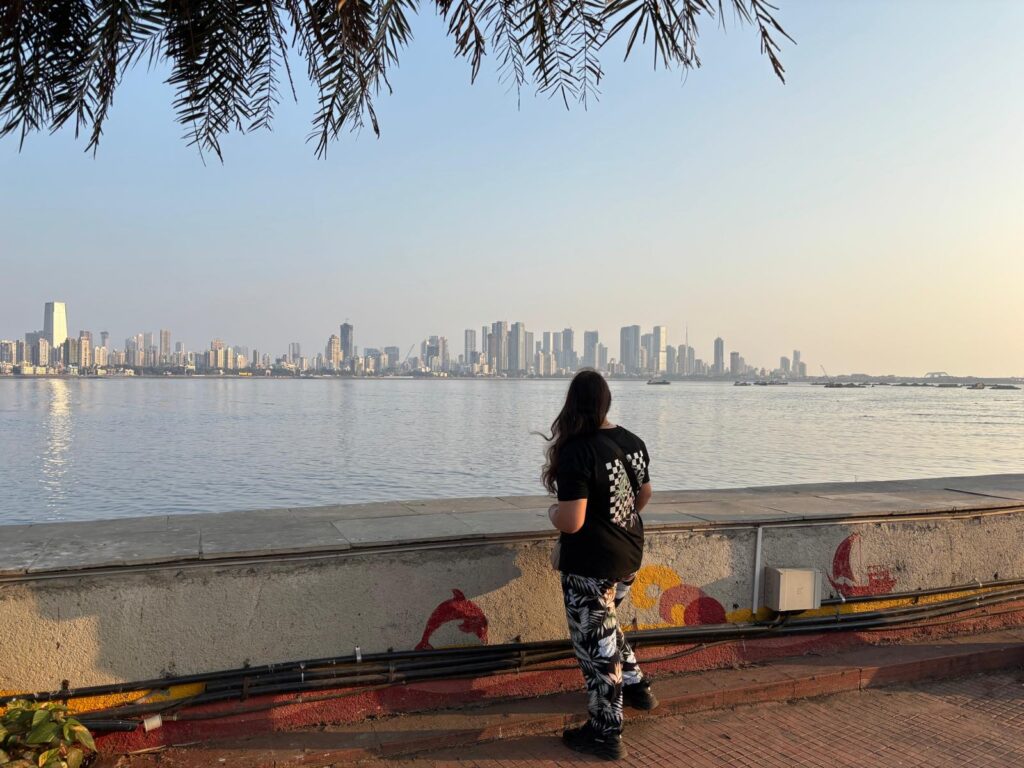
Yangon has a lot to offer, from the shining, gold and bejewelled dome of Shwedagon Pagoda, to bustling city streets, picturesque parks, cafes, restaurants, rooftop bars, river cruises and more. For nature lover’s, Hlawga National Park is an hour by taxi from the centre of the city and makes for a fantastic escape.
Some of the top Yangon attractions include:
Shwedagon Pagoda – Myanmar’s most holy Buddhist site
People’s Park – a large park with tropical plants and hundreds of egrets
National Museum of Myanmar – 5 floors of artefacts relating to Myanmar’s culture and history
National Races Village – a pleasant forested area with lifesize replicas of traditional tribal houses
Yangon River Cruise – take a day trip to the jungle village of Dala
Hlawga National Park – a huge national park with a diverse array of flora and fauna as well as activities on the lake
Bagan
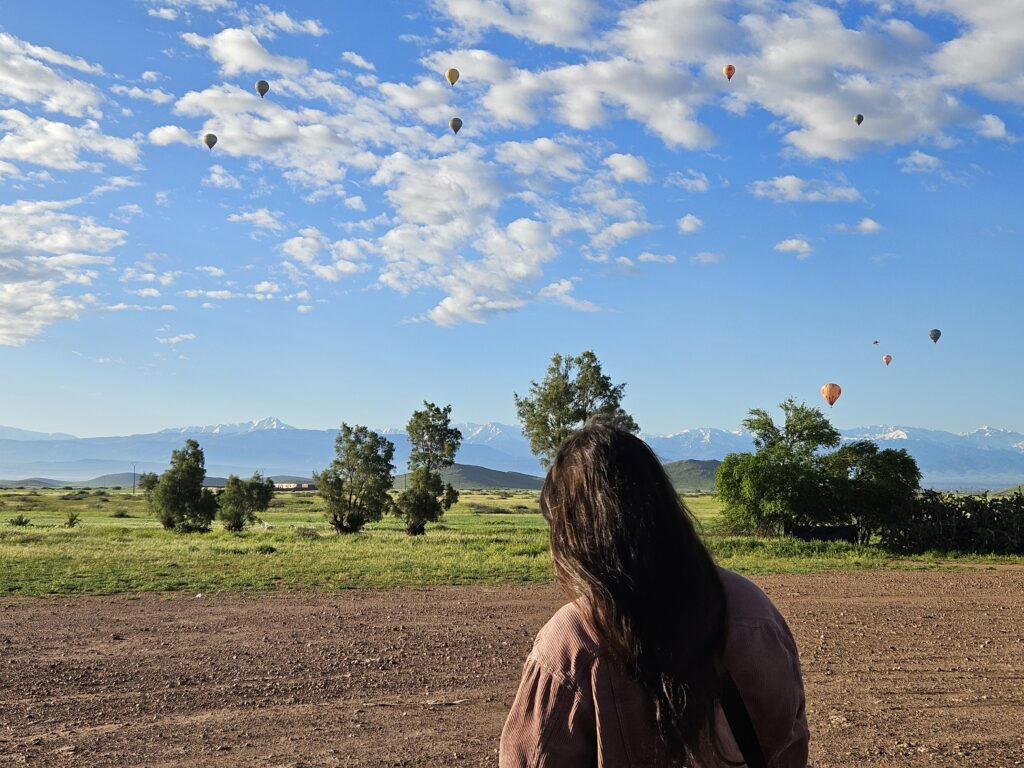
Lose yourself amidst the ancient temples dating back to the 11th to 13th centuries stretched across a 50-mile plain along the Irrawaddy River. Hire an ebike and explore on your own, or take a horse and cart for a slower pace, and for those without a fear of heights, taking a hot-air balloon ride over the temples is one of those once-in-a-lifetime experiences.
Some of the top Bagan attractions include:
Temples – Explore the famous temples and pagodas like Ananda, Thatbyinyu and Soemingyi
Bagan Viewing Tower – an incredible bird’s-eye view of Bagan
Ayerwaddy River – Take a boat trip, go birdwatching or sit and sip a drink on the banks as the sun sets
Traditional Burmese Food in Bagan
Once I have my own house, I also want this map!
Mount Popa
Mount Popa is an extinct (or possibly dormant – I can’t seem to find conclusive evidence one way or the other) volcano 50km from Bagan. It is a paradise for nature-lovers with a rich diversity of birdlife, an endemic species of langur, golden deer, macaques, and reptiles. Climb the 700 steps of Taung Kalat, a volcanic vent with a monastery on top, or hike to the top of the volcano for stunning views of the plains.
Some of the top Mount attractions include:
Golden Deer Forest Park – see the native deer population and feed them
Taung Kalat – climb the 700 steps to the incredible monastery (watch out for monkeys)
Hike to the crater/summit of Mount Popa – a perfect hike through pristine nature
Medical Herb Garden – Explore some of the interesting and medicinal plants that grow on Popa
If you’re looking for chilled out beach vibes, then Ngwe Saung is the perfect antidote to the hustle and bustle of the big cities. It’s a 5-hour bus ride from Yangon, and you’ll be transported to a tropical paradise of white-sand beaches, palm trees and a whole host of waterborne activities.
If you’re lucky, you might even be able to spot wild elephants on the beach (sadly I didn’t see this, but hope to return soon and might get lucky next time).
Boat trip to Bird Island – enjoy a half-day tour that includes snorkelling
Snake Island – see the beautiful, but deadly sea kraits that live in cracks in the rock
3 Pagodas – visit the site of three golden pagodas on a deserted beach
Lover’s Island – walk across at low tide for stunning views of the beach and jungle
Jungle Elephant Camp – visit retired elephants in a camp in the jungle
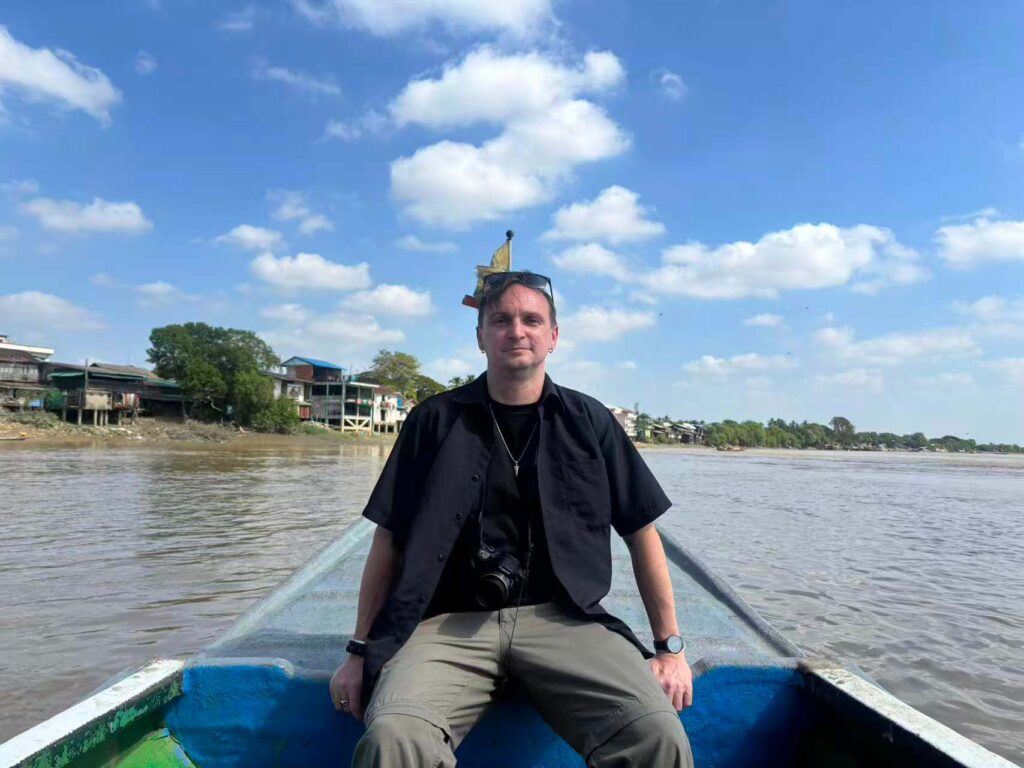
Boating on the Bago River
Ngwe Saung Beach
Inle Lake
Inle is a large lake in Shan state that is surrounded by Buddhist pagodas and temples, and has floating markets, thatched houses on stilts, and fishermen that are famous for steering their boats with one leg. It is a photographer’s dream and in happier times, one of the most popular attractions in Myanmar. I haven’t been yet, but am planning to visit when I have 3 weeks holiday in April 2026.
If, like me, you love to get out for some serious hiking and trekking, then the town of Kalaw is the perfect destination. Set within gentle, rolling hills, Kalaw is known for its mild climate and unparalleled hiking opportunities. It’s also home to the largest market in Shan State, as well as its old British architecture.
Kyaiktyo Pagoda (Golden Rock)
The impressive Kyaiktiyo Pagoda is a golden shrine resting precariously on a rock at the top of a mountain in Mon State. It’s about five hours drive from Yangon, and three from nearby Bago. You can hike to the top of the mountain (6-8 hours) or take a hair-rising ride in the back of an old dump truck that’s been fitted with seats. There are hotels on the mountain to allow for stunning sunrise and sunset views.
Mandalay
Before the 2025 earthquake devasted parts of central Myanmar, Mandalay was a popular destination for travellers, but as of early 2026 is still rebuilding. I haven’t yet visited, and will perhaps make the trip later in the year, so I can’t really say what it is like currently.
Mandalay Hill
Mahamuni Pagoda
Shwenandaw Buddhist Temple
U Bein Bridge
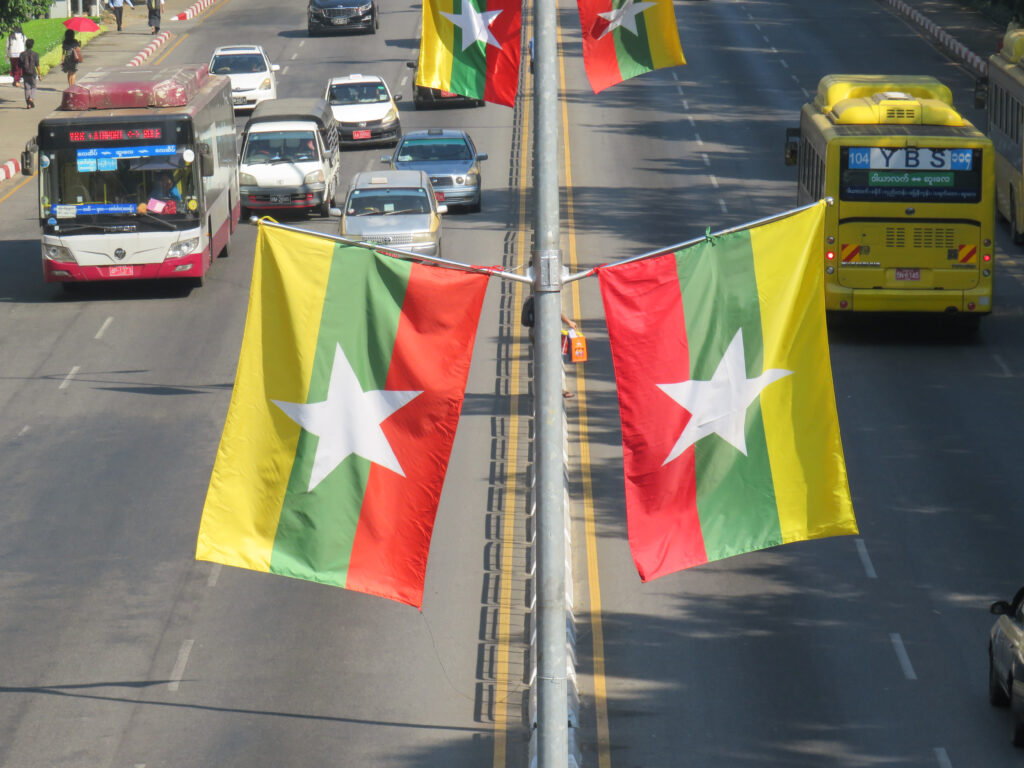
Myanmar Flags Flying Above a Highway
Ruins of a Buddhist Temple Surrounded by Lush Jungle in Bagan
Pros of living in Myanmar
Laid-back vibes; Yangon is a pretty relaxed city (all things considered). It has lots of beautiful parkland, pleasant lakeside cafes, and is a lot less chaotic than other cities in Southeast Asia (there are no motorbikes or tuktuks in central Yangon which makes it a lot quieter than places like Bangkok, Phnomh Penh and Ho Chi Minh Cirty).
Lots of incredible places to visit from natural wonders like Inle Lake to UNESCO World Heritage sites like Bagan, mountain villages, pristine coastline and thriving cities like Yangon and Mandalay.
With many different tribes such as the Chin, Kachin, Mon and Bamar, each with their own unique identity, Myanmar is a fascinating destination for those looking to explore other cultures.
Picture from Unsplash
Cons of living in Myanmar
Obviously the safety and security situation needs to be taken into account with the ongoing civil war. Yangon’s curfew has just been lifted (as of 28th December 2025), but outside of the major cities and tourist areas, fighting remains ongoing.
Myanmar can be expensive for foreigners and there is a distinct lack of imported foreign goods compared to anywhere I’ve lived before (but you can stil get Heinz baked beans here so it’s not all bad). At the moment there is a shortage of mayonnaise, and it’s impossible to get which drives me a bit potty (I can’t live without mayonnaise so will try making my own).
The monsoon season can be a bit dull as it rains almost constantly for six months, although certain parts of the country, like Bagan, escape the worst downpours.
Lack of healthcare (it’s best to fly to Bangkok if you need anything other than basic medical attention). Hospitals exist, but are very basic.
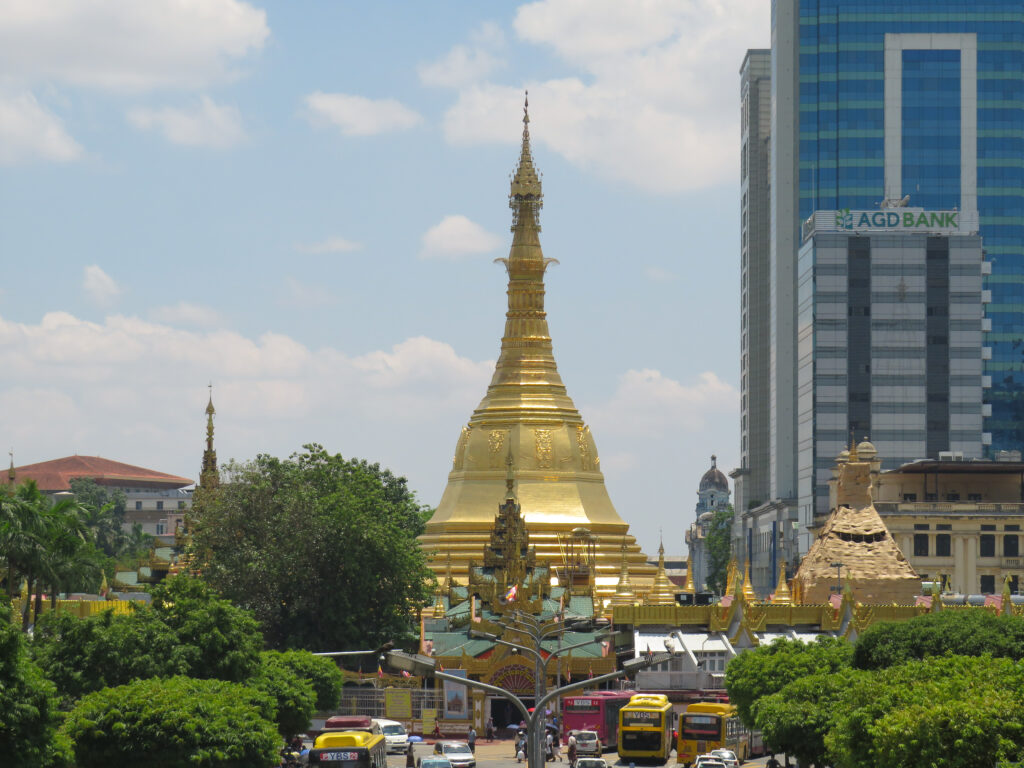
The golden dome of Sule Pagoda in downtown Yangon.
Conclusion of living in Myanmar
So, if you’re looking for a unique opportunity to live and work in one of Southeast Asia’s lesser visited countries, Myanmar is waiting for you. Discover ancient hill tribes, hike through dense jungle, swim with turtles or sip coffee in one of the many trendy cafes in Yangon or Mandalay – one thing is for certain, life in Myanmar will never be boring!
Steve Rohan is a writer and English teacher from the UK. He has lived in China, Hong Kong, Armenia, Cambodia and now resides in Yangon, Myanmar. He has been interviewed numerous times by the BBC, featured on the Tubi television documentary Scariest Places in the World and created the successful travel blog thetripgoeson.
I hope you liked reading this article and it answered your questions about moving to Myanmar. If you have more questions, please contact me!